
3 Reasons Buyers Walk Away from Your House and How to Fix Them
Buyers rarely reject a house for one tiny flaw. They walk away when the price, condition, or first impression makes them doubt the value. The good news: many deal-breakers are fixable before they cost you an offer.
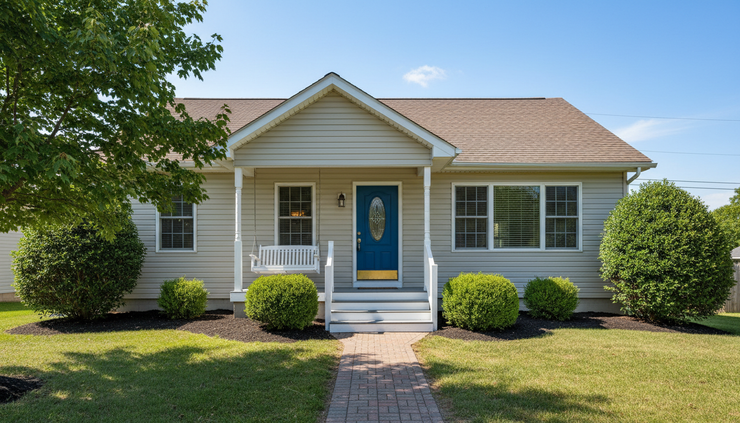
Poor curb appeal makes buyers judge the house too early
Buyers start forming opinions from the street. Before they see the kitchen, the floor plan, or the backyard, they notice the lawn, driveway, siding, porch, and front door.
A messy exterior sends the wrong message. It suggests the home may not be well cared for inside either. That may be unfair, but buyers move fast. If the outside looks neglected, they may enter the showing already looking for problems.
Common curb appeal issues include:
Overgrown grass or shrubs
Peeling paint on trim or the front door
Dirty siding, windows, or gutters
Cracked walkways
Dead plants near the entrance
Clutter on the porch
Poor exterior lighting
These problems do not always require a major project. Small updates can change the tone of the showing.
Start with cleanup. Mow the lawn. Edge the walkway. Remove weeds. Wash windows. Power wash siding, steps, and the driveway if needed. Put away hoses, tools, toys, and trash bins.
Then focus on the entry. Buyers pause there while an agent opens the lockbox. That gives them time to notice every detail. Paint the front door if it looks worn. Replace a faded welcome mat. Add healthy plants in simple pots. Make sure the doorbell works. Clean or replace house numbers if they are hard to read.
Think like a buyer standing at the curb. Would the home look loved, or would it look like work?
A strong first impression does not guarantee an offer. A weak one can end the showing before it begins.

Overpricing makes better options look more attractive
Price is one of the fastest ways to lose buyers. A home can be clean, updated, and well located, but if the price does not match the market, buyers notice.
Most buyers compare homes side by side. They look at square footage, age, condition, layout, lot size, updates, school zones, commute times, and recent sales. If similar homes offer more for less, they may skip the showing or walk away after one visit.
Overpricing can also create doubt. Buyers may wonder why the home has been sitting. They may assume the seller will be hard to negotiate with. Some will not make a lower offer because they do not want a drawn-out process.
This is one of the biggest reasons buyers walk away from your house and choose another one.
To fix pricing issues, look at the market through current data, not personal attachment. What you paid for the home matters less than what buyers can buy right now. Renovation costs matter, but buyers may not value every upgrade dollar for dollar.
Review:
Recent comparable sales
Active listings that compete with yours
Pending homes, if that data is available
Days on market for similar homes
Price reductions in your area
Condition differences between your home and nearby options
If the home has had many showings and no offers, the market may be sending a clear signal. If online views are low, the price may be limiting interest before buyers even book a showing.
A price adjustment is not a failure. It can renew interest and put the home into the right search range. Sometimes a smaller correction early works better than several reductions later.
Avoid pricing based on what you “need” to walk away with. Buyers do not price homes that way. They compare value.

Repairs and maintenance concerns make buyers expect bigger costs
Buyers can accept normal wear. They get nervous when they see signs of neglect. Visible repair issues make them question what they cannot see.
A loose handrail, stained ceiling, dripping faucet, or cracked tile may look minor to a seller. To a buyer, those issues raise questions. Is there a leak? Was maintenance delayed? Will the inspection uncover more problems?
Common red flags include:
Water stains on ceilings or walls
Damaged flooring
Missing caulk around tubs or sinks
Broken outlets or switches
Doors that stick or do not close
Cracked windows
Leaky faucets
Old or dirty HVAC filters
Loose railings
Musty smells
Many buyers also worry about major systems. Roof age, HVAC performance, plumbing, electrical panels, and water heaters can affect confidence. If buyers expect expensive repairs right after closing, they may reduce their offer or leave.
Fix what you can before listing. Handle obvious repairs first. Patch holes. Replace burned-out bulbs. Repair loose hardware. Clean vents. Service major systems if they need attention. Keep receipts and records so buyers know the work was done.
For larger issues, get clear information before buyers ask. If the roof is older but not failing, documentation can help. If a repair is needed and you do not want to complete it, price the home with that in mind. Surprises kill trust. Straight answers help keep deals alive.
Pre-listing inspections can also help in some situations. They give sellers a better picture of likely inspection issues. They may also help avoid last-minute renegotiation. Local practices vary, so talk with a real estate professional before deciding.
A well-maintained home feels safer to buyers. It reduces the fear of hidden costs.
How to make buyers feel confident
The best fixes support one message: this home is cared for and priced fairly.
Before you list, walk through the home like a buyer. Start at the curb. Open the door. Notice smells, light, noise, clutter, and repairs. Be honest. Buyers will be.
Focus on three practical steps:
Improve what buyers see first.
Clean the exterior, freshen the entry, and remove distractions.
Price against competition.
Use current comparable homes, not wishful thinking.
Repair visible problems.
Take care of small issues before they become negotiation points.
If you want help deciding what to fix before you sell, contact Mado 1 for guidance.
FAQ
Should I fix everything before selling my house?
No. Focus on issues that hurt first impressions, safety, function, or buyer confidence. Small visible repairs often matter more than expensive cosmetic changes.
How do I know if my house is overpriced?
Look at recent sales and active listings that match your home’s size, location, and condition. Low showing traffic, repeated buyer feedback, or no offers can also point to pricing problems.
Does curb appeal really affect offers?
Yes. Buyers judge the home before they walk inside. A clean yard, fresh entry, and tidy exterior can make the whole property feel better maintained.
Should I offer a repair credit instead of fixing problems?
Sometimes. Credits can work for larger repairs or buyer preference items. Clear pricing and upfront communication matter. Many buyers still prefer a home that feels move-in ready.
The takeaway
Buyers walk away when a home feels overpriced, poorly maintained, or hard to trust. Start with the visible issues. Price the home based on real competition. Fix repairs that create doubt.
A buyer does not need perfection. They need confidence. Give them fewer reasons to hesitate, and your home has a better chance of getting the offer you want.


